How Digital Cold Chains Protect Medicines and People During Crises

The Challenges in Crisis Situations
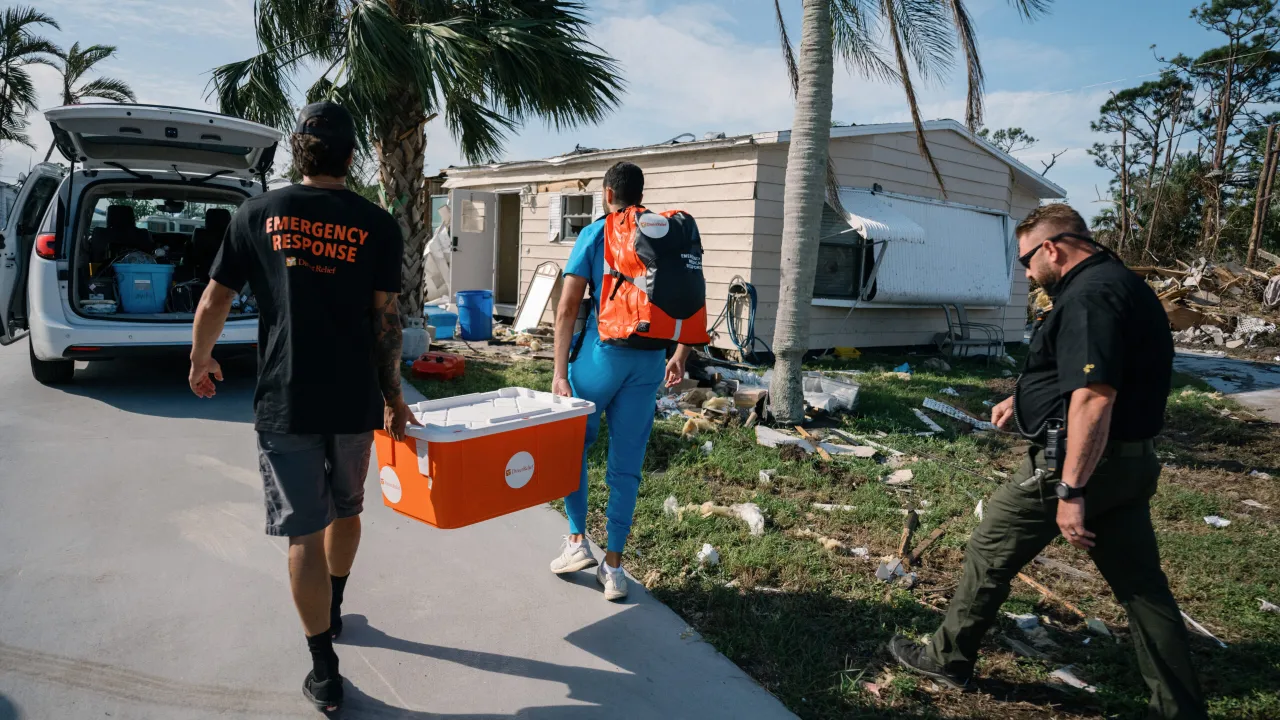
In times of crisis, the journeys become even more vulnerable:
- Extreme weather can delay shipments or damage storage.
- Weak infrastructure and power outages threaten temperature control.
- Damaged infrastructure slows deliveries just when people need medicines most.
Moving Beyond Physical Testing in Cold Chain Planning
- The physical testing captures only a single point in time.
- It cannot reflect real-world variability such as seasonal changes, route-specific risks, or the impact of delays and disruptions.
- Physical testing is costly and time-consuming.
Direct Relief demonstrates how a digital approach can transform cold chain risk management in real humanitarian operations. By adopting a Digital Cold Chain, organizations can proactively plan and protect life-saving medicines, even in the most challenging crisis conditions – within hours.
Bridging the Gap:
How Direct Relief Navigates Global Emergencies
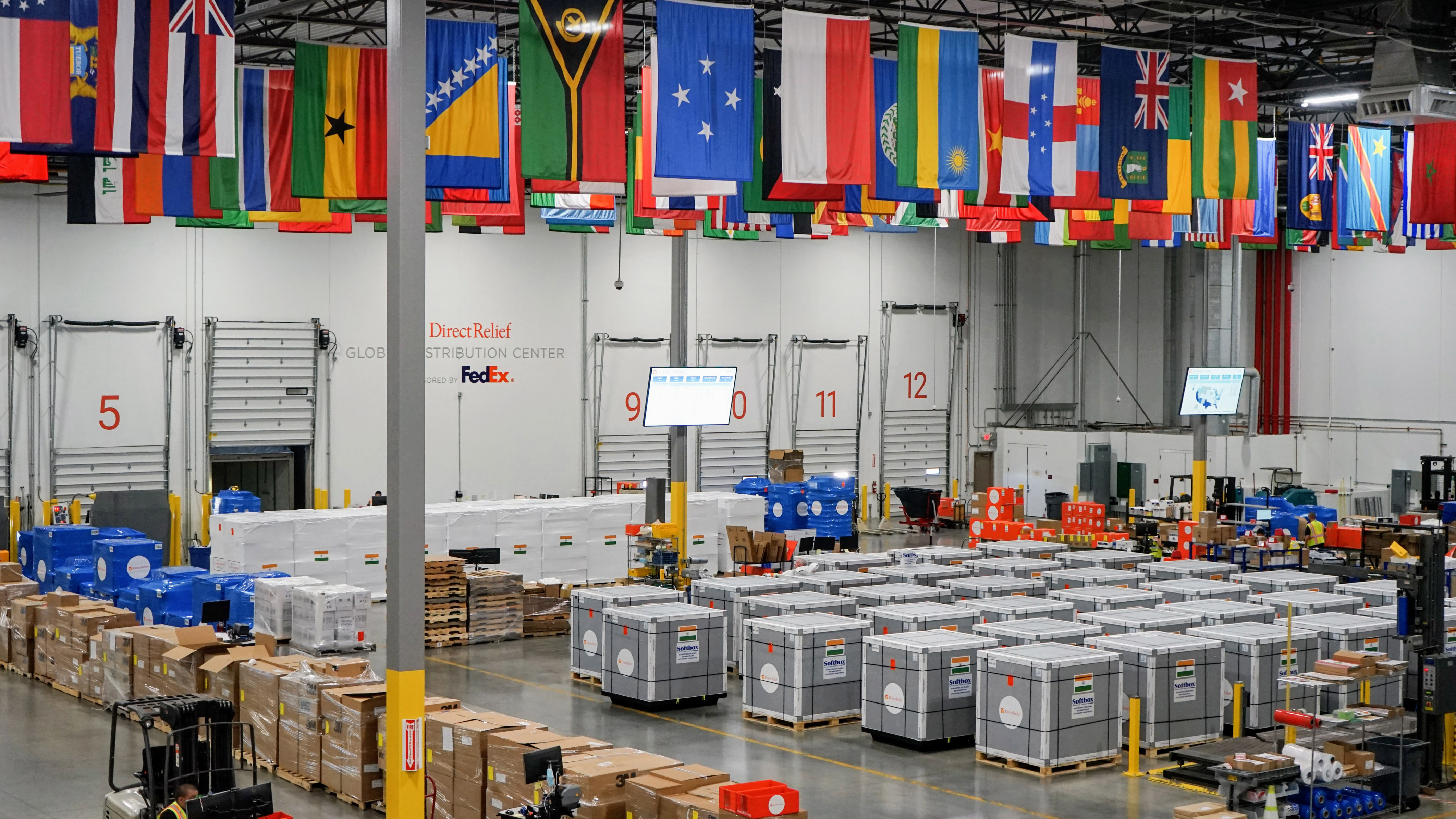
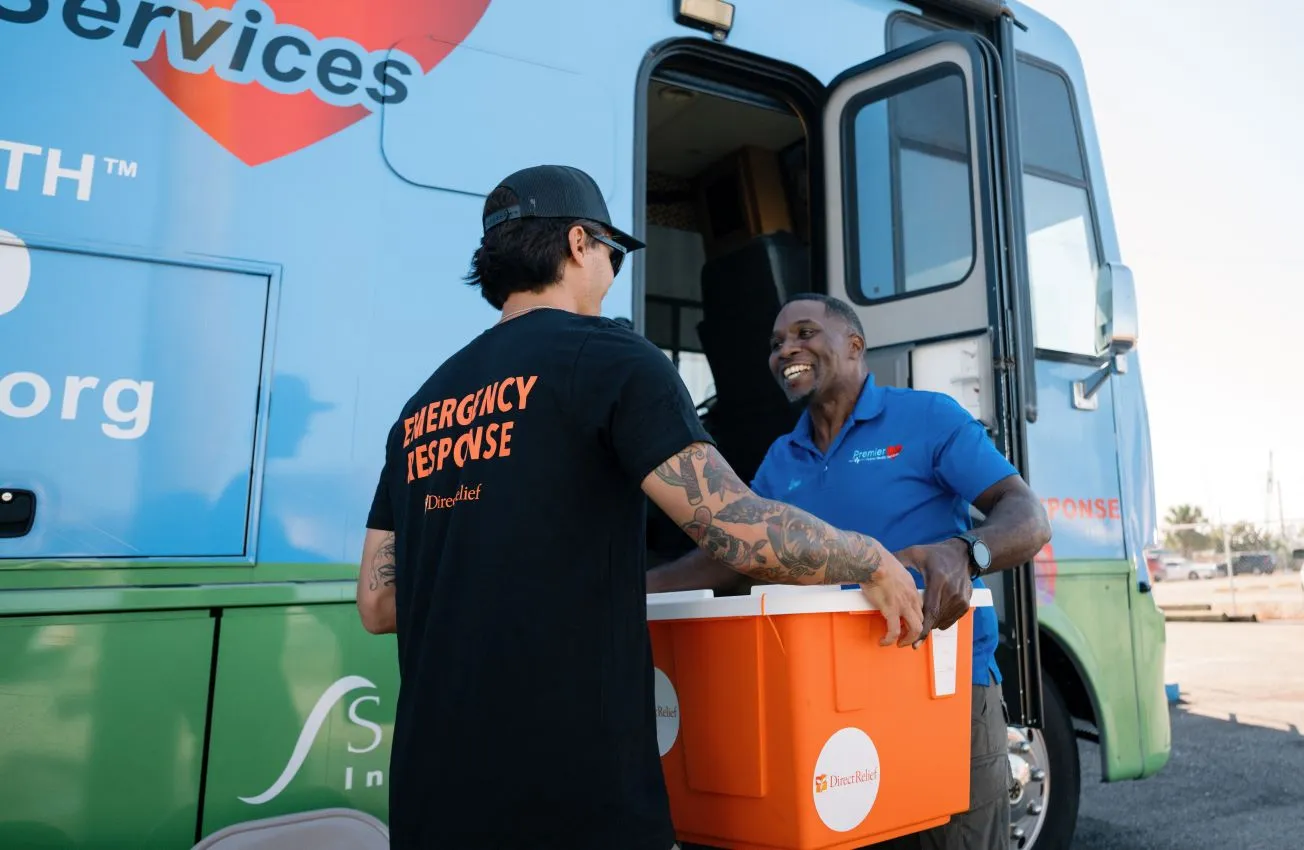
Direct Relief, headquartered in Santa Barbara, CA, USA, is a leading humanitarian organization dedicated to providing essential medical assistance and disaster relief to vulnerable communities worldwide.
The organization delivers life-saving medications, supplies, and resources free of charge and without regard to politics, religion, or ability to pay, ensuring support reaches populations affected by poverty, emergencies, and large-scale disasters.
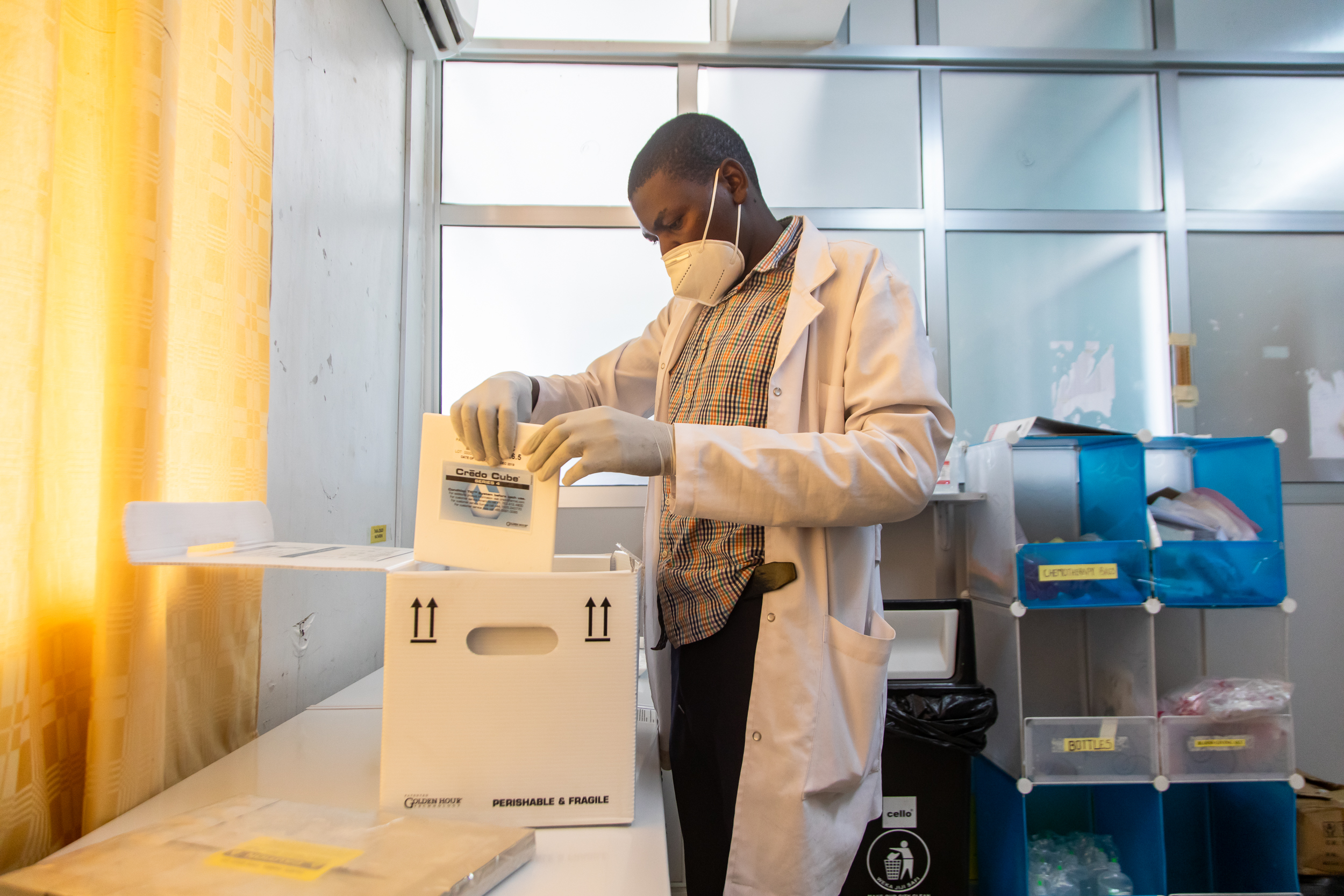
Direct Relief plays a critical role in safely distributing 2–8°C products to more than 70 countries each year, navigating complex cold chain requirements to maintain product integrity throughout transit to ensure medicines arrive safely to people in need.
Managing Cold Chain Complexity Amid Rapid Expansion
As global demand for temperature-sensitive medications and vaccines continues to rise, Direct Relief’s operations have expanded. Over the past two years, annual cold chain shipment volume has grown by approximately 35%, and the number of countries receiving 2–8°C products has risen from 60 to 71. This rapid growth introduces new complexities, particularly when shipping to locations with limited or unknown cold chain infrastructure.
When sending products to a new destination or into areas recovering from a disaster, critical information such as the availability of cold storage, the condition of infrastructure, and the presence of temperature-controlled transport may be unclear. These uncertainties increase the risk of temperature excursions. One of Direct Relief's central questions became:
“How can we reliably estimate the time available to clear and receive a shipment before a temperature excursion is likely to occur?”
Another key consideration for Direct Relief is packaging selection. Because the organization employs various packaging configurations depending on shipment size and risk level, choosing the right option is essential.
The Digital Cold Chain solution allows them to evaluate multiple packaging types within the same virtual lane, enabling rapid performance comparisons across scenarios. Since this testing occurs digitally, decisions can be reached within hours instead of days, without the cost and resource burden of physical test shipments.
The Solution in Action
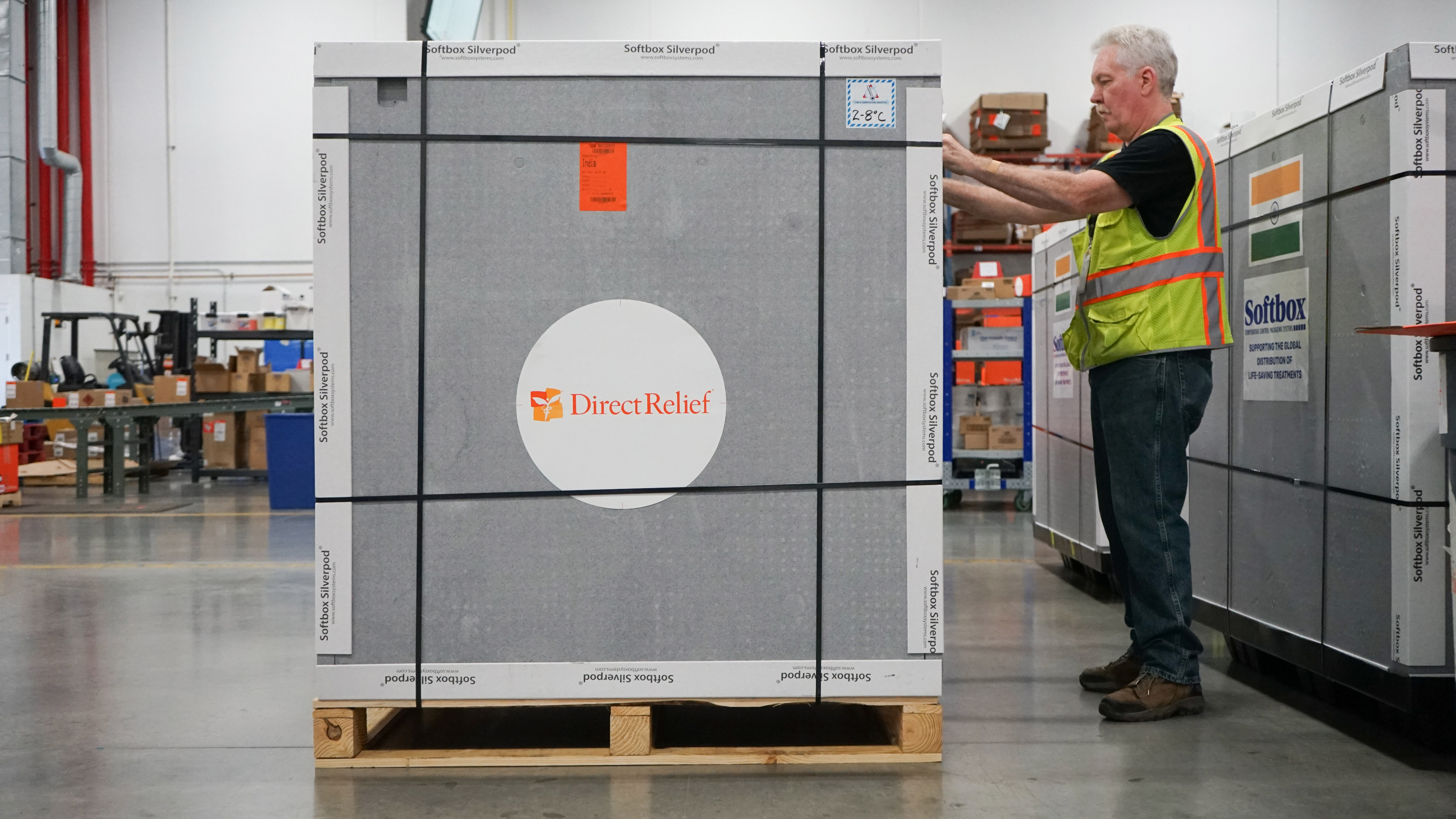
When shipping to a new destination, Direct Relief cannot rely on multiple physical test shipments to validate a cold chain lane. This is where the SmartCAE Digital Cold Chain solution provides critical risk mitigation support.
By leveraging collected temperature data, the team can determine expected cold room conditions at airports around the world.
The platform also integrates historical weather station data to build highly accurate virtual representations of shipping lanes.
This combination of environmental data and digital modelling enables the creation of a precise, real-world simulation of each lane, including Direct Relief’s specific packaging configurations.
Using this digital twin, Direct Relief can visualize predicted product temperatures throughout transit. In several cases, running a flight plan through the platform has revealed a high likelihood
of temperature excursions due to extended layovers or extreme weather conditions at intermediary airports. Identifying these risks in advance allows the team to work proactively with airlines to secure alternative routing without ever placing physical product at risk.
The platform also provides essential insights when cold storage is unavailable at a destination airport. By simulating how long a shipment can safely remain in ambient conditions before a temperature excursion occurs, the system equips the team with reliable, advanced notice requirements. This enables Direct Relief to communicate handling expectations clearly to partners on the ground before the shipment even departs, ensuring that time-sensitive shipments are properly managed from the moment they arrive.
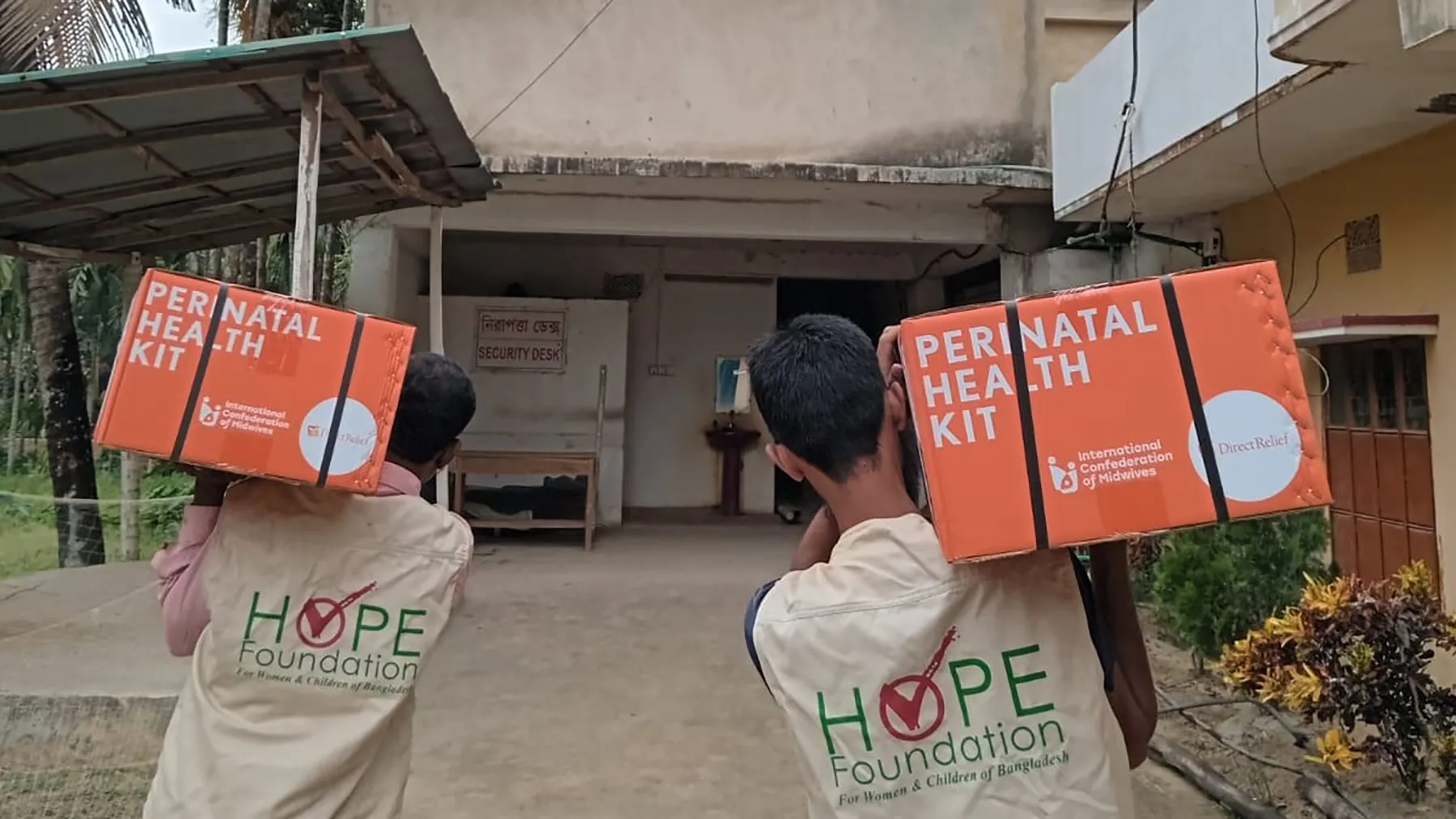

When a major fire damaged the cargo facilities at Hazrat Shahjalal International Airport in Dhaka, the airport’s cold room was suddenly taken offline, disrupting what had previously been a routine transit point for temperature-sensitive medicines. Faced with an unexpected loss of infrastructure, Direct Relief needed to rapidly reassess the lane’s viability to ensure lifesaving products could still move safely.
Leveraging the SmartCAE Digital Cold Chain, the team quickly generated a new simulation reflecting the updated conditions. The digital twin modelled expected temperature behaviour, identified stress points, and defined the narrow operational window in which the shipment could be safely cleared and delivered.
The analysis confirmed that, despite the disruption, the shipment could proceed without risking a temperature excursion as long as partners on the ground acted within the predicted timeframe. Guided by data rather than assumptions, Direct Relief advanced the shipment with confidence, demonstrating how digital modelling transforms unpredictable challenges into informed and actionable decisions.
Strengthening Humanitarian Logistics with Digital Cold Chain
Direct Relief’s integration of SmartCAE’s Digital Cold Chain solution has measurably strengthened its ability to protect temperature-sensitive medical shipments and navigate increasingly complex global logistics environments:
-
By utilizing digital twins and historical temperature data, the team can identify potential risks, such as extended layovers or extreme weather conditions, before shipments depart, reducing the likelihood of temperature excursions and improving overall reliability.
-
The capability to rapidly test multiple packaging configurations in a digital environment also supports more cost-effective and sustainable packaging decisions while eliminating the need for resource-intensive physical test shipments.
-
The system’s ability to predict safe exposure times when cold storage is unavailable at destination airports provides critical operational clarity for field teams and partners, strengthening coordination and ensuring proper handling upon arrival.
-
These improvements reinforce Direct Relief’s capacity to maintain product integrity, enhance operational confidence, and uphold its mission to deliver safe, effective medicines to vulnerable populations worldwide.
The Future of Crisis Response:
Digital Cold Chain Solutions for Global Health
Global demand for temperature-sensitive medicines continues to grow, while crises and disruptions become more frequent. Yet one truth is clear:
many temperature excursions are preventable.
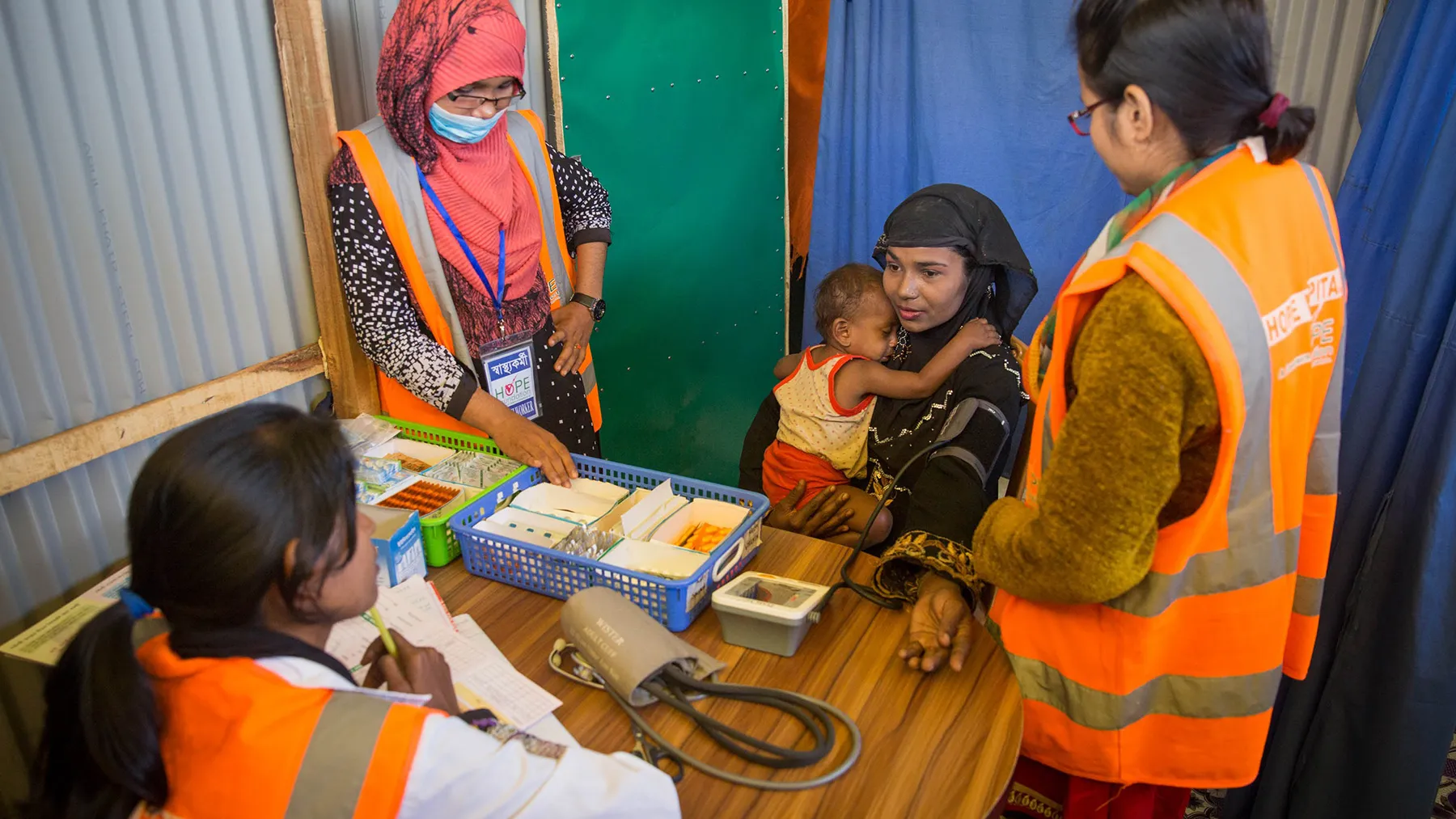
Digital cold chain solutions allow risks to be identified early, routes and packaging to be optimized, and medicines to arrive intact even under crisis conditions. By planning shipments digitally before they are shipped, organizations can protect products and reduce waste. Most importantly, they protect something far more valuable than shipments:
people’s health and lives.
We sincerely thank Direct Relief for demonstrating how innovation and humanitarian commitment can work together to protect lives. The success of Direct Relief serves as a blueprint for what is possible in the digital world, and it is not only theoretical. It is already helping medicines reach vulnerable communities around the world safely and reliably.